NEWS | SOFTWARE | SHEET
Step-by-Step Guide to Preparing a BOQ (Bill of Quantities)

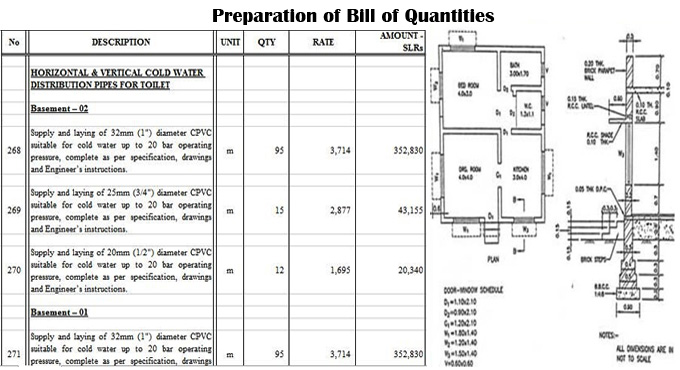
The bill of quantities refers to the document in which the construction materials and their quantities have been listed for the successful completion of the construction project. The bill of quantities includes a description of quantities and the price of the construction materials, and is handed over to the contractors. Generally, the quantity surveyor, architects or engineers used to draw the bill of quantities as per the design specifications of the construction project.
In the case of a large and complicated construction project, in which a complex tendering process has been required, this bill of quantities can be used. The bill of quantities helps to ensure that all contractors are pricing the construction work on the basis of the same information given in the bill of quantities. In addition, the bill of quantities helps to provide sufficient information about the construction work, which enables the tenders to estimate the construction costs accurately.
Discuss the components of the Bill of Quantities
Tender form
The tender form refers to the separate document, which enables the tenderer to provide details regarding their proposal, for example, their name, address and the price of the tender.
Summary
All the individual sections of the bill of quantities have been included in the summary section, which helps to add the costs from all the sections, and the total cost has been written in the form of a tender.
Preliminaries
The preliminary sections of the bill of quantities help to inform the potential contractors regarding those construction items which are not related to the work section directly. The preliminaries section of the bill of quantities has been divided into two sections, including information and requirements. Both of these sections help to describe the general info of the construction project, contractual obligations and also the expectations of the clients related to the construction project.
Measured work
In this section of the bill of quantities, all work items of the construction project have been listed along with a detailed description. In this context, the units of measurement depend upon the length, time, number, area, volume and weight of the construction items.
Project risks
All possible residual risks have been listed in this section of the bill of quantities. The cost for handling those risks has also been provided in the bill of quantities.
Provisional sums
This section of the bill of quantities helps to set the provisional money allowances for the construction work, which is anticipated to happen but is not listed in the design document.
Credits
This section refers to the deduction of the total contract price to account for those construction materials that have been removed from the construction site.
Dayworks
This section of the bill of quantities refers to the specific construction tasks in the basis on the time and materials used in the construction project rather than the fixed price.
Annexes
This section has been included at the end of the bill of quantities, which helps to provide supporting information to clarify the work items. This section also helps to ensure that all parties have the necessary information to execute the overall construction work.
Discussing the important benefits of the bill of quantities in a construction project
Cost control feature
The bill of quantities helps to provide an accurate overview of the construction materials and their prices, which helps to identify which material is more costly. Thus, the contractors can look for alternatives to ensure the budget of the construction project.
Risk management feature
The bill of quantities also helps to provide a detailed breakdown of the project work, which helps to facilitate the early identification of potential project challenges, thus ensuring the accurate implementation of the contingency plan.
Planning and scheduling feature
The bill of quantities has also been linked to the project planning and scheduling process by providing the time-related information of the construction project. Thus, the bill of quantities helps to deliver the entire project within the predefined timeline.
Simplified tendering feature
The bill of quantities also helps to ensure an accurate and fair bidding process, thus ensuring the simple and efficient tendering for the construction project.
Download Bill of Quantities Template
Accountability and transparency feature
The bill of quantities helps to provide a clear overview of the construction works. This feature helps to ensure effective communication among the construction team members, as well as ensure transparency among the contractors and the owners of the construction project. This clear layout of the construction works helps to reduce the risks of mistakes, thus reducing the need for unnecessary meetings, as well as reducing the overall cost and time of the entire construction project.
Asset management feature
The bill of quantities helps to provide information for managing the assets of completed construction projects. In addition, the bill of quantities also helps to manage the life cycle cost of the construction project, the maintenance schedules of the construction project and also the insurance replacement cost of the construction project.