NEWS | SOFTWARE | SHEET
What Causes Buildings to Collapse?

Incidents like building collapse lead to the occurrence of several tragic incidents, injury, loss of life and destruction of properties. In this context, it is important to know the reasons behind the occurrence of building collapses, which helps to implement effective preventive measures to prevent these kinds of tragic incidents.
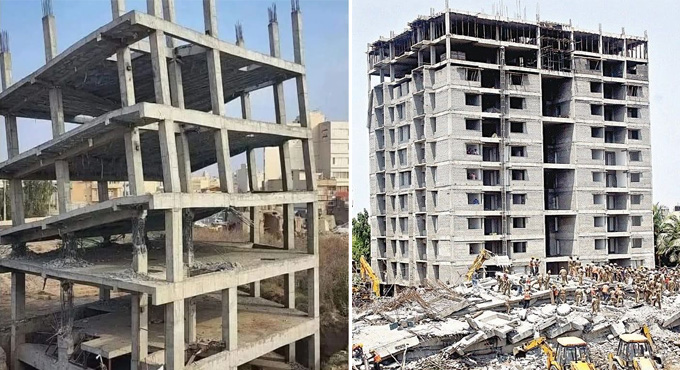
The building collapse refers to either a partial collapse or an entire failure of the building structure. The building has collapsed due to the failure of the load-bearing structure and the exterior structure of the building.
Learn about the causes of building collapses
There are numerous causes which lead to building collapses, which are as follows:
Poor foundation structure
It is important to ensure that the foundation structure of the building is strong enough to maintain overall structural integrity. A weak foundation structure leads to major structural damage to the building as cracks and damage have developed in the slabs, beams or other structural elements. These damages should be addressed immediately to avoid incidents of building collapse.
Poor and faulty construction
The building collapse has also occurred due to the poor and faulty construction process. The inefficient workforce, faulty tests, inadequate supervision of the building structure, carelessness of the construction firms regarding the load-bearing elements, use of low-quality materials and other reasons lead to enhanced risks of building collapses. There are numerous tragic consequences of the faulty construction, including:
- In the case of improper water drainage from the foundation structure, the foundation structure becomes weakened.
- The moisture intrusion in the building has occurred due to the improper installation of the roofing materials.
- The moisture intrusion has also occurred due to the improper installation of the doors and windows.
- Failure to insulate the pipes also leads to condensation buildup, which can damage nearby building materials.
Uses of poor-quality building materials
Several developers use low-quality building materials, which impact the structural integrity of the building, as well as lead to the risk of building collapses. The poor quality materials, including the use of poor quality bricks, beams, concrete blocks, plywood or insulation and waterproofing materials, affect the structural integrity of the building structure. The use of building materials which are prone to corrosion in coastal areas, for example, bare carbon steel, also enhances the risks of building collapses.
Impacts of Corrosion
Corrosion is another problem for the building structure. The salt and chloride levels in the floodwater lead to weakening and corrosion of the building materials. The structural integrity of the building may be hampered by corrosion impacts at times. In this context, the developers should have to construct the building structure with corrosion-resistant metals, for example, stainless steel or those metals which have been treated to be corrosion-resistant. In the case of untreated building materials, corrosion leads to the weakening of the cross-beam reinforcement, thus leading to the structural failure of the building.
Impacts of natural disasters
The developers should have constructed the buildings along with reasonable protections to prevent high winds, flooding and other types of natural calamities. The installation of the impact doors and windows has the ability to withstand hurricane-strength winds. In the coastal areas, the building should also have preventive measures against floods. In the case of not taking any preventive measures against natural calamities, potential damage to the building's structure will occur, which leads to building collapse.
Faulty strength test
The strength test includes the load test of the building structure. The load test helps to assess the ability of the building structure to support the weight without leading to any cracks or other types of damage in the building structure. The concrete test should also be done to ensure its ability to support the building’s load. The strength of the concrete has been examined by performing the penetration test. In this context, it has been examined how easily a foreign object can penetrate into the concrete’s surface. On the other hand, Ultrasonic pulse velocity has been used for the detection of any kind of damage or cracks in the concrete. In case of any faulty conduct of these tests, may mislead the building’s strength, resulting in the risk of building collapse.
Impacts of heavier loads
In the case of the loads are heavier than the strength of the building's structure, then there is also a risk of building collapse. This can happen if a home is turned into a library and boxes of books are piled up, which results in the building's strain under the weight. In addition, if extra storeys have been added to the building also leads to heavier loads than the original designs, which also leads to the structural failure of the building.
Impacts of workers' mistakes
In the case of the workers making mistakes while constructing the building structure, including improper mixing of the building materials, resulting in the insufficient strength of the building structure to hold the overall load, which enhances the risks of building collapse. Sometimes developers employ unskilled workers with a cheaper labour cost rather than trained workers, which can also enhance the chances of mistakes while performing the construction procedure, as well as increase the risks of building collapse.
Impact of water seepage
Sometimes, heavy rainfall also results in the failure of the building structure. In this context, the developers should have to construct buildings on the basis of the climate conditions in specific regions. In the monsoon season, several seepage-related issues have arisen, which lead to the occurrence of rusting in the building structure and also lead to internal leakages, which are also risky for the building structure.
Learn about the severity of building collapses
The severity of the building collapse varies depending on the causes of the building collapse. In addition, the age of the building structure, the impacts of manmade actions and the impacts of other types of hazards also influence the severity of the building structure.