NEWS | SOFTWARE | SHEET
Building with Confidence: Why Transparency Matters on Modern Construction Sites

Date: 16th January 2026
Construction projects operate under constant pressure. Tight budgets, fixed schedules, and multiple stakeholders leave little room for confusion. In this environment, transparency is not optional. It is a critical driver of trust, efficiency, and successful project outcomes. When communication breaks down, small issues can quickly grow into costly delays, rework, and strained working relationships.
Transparency in construction means that information flows clearly and consistently between everyone involved. Project status, timelines, responsibilities, and changes are visible and understood. When teams have access to the same information at the same time, they can coordinate more effectively, anticipate problems earlier, and respond with confidence rather than urgency.
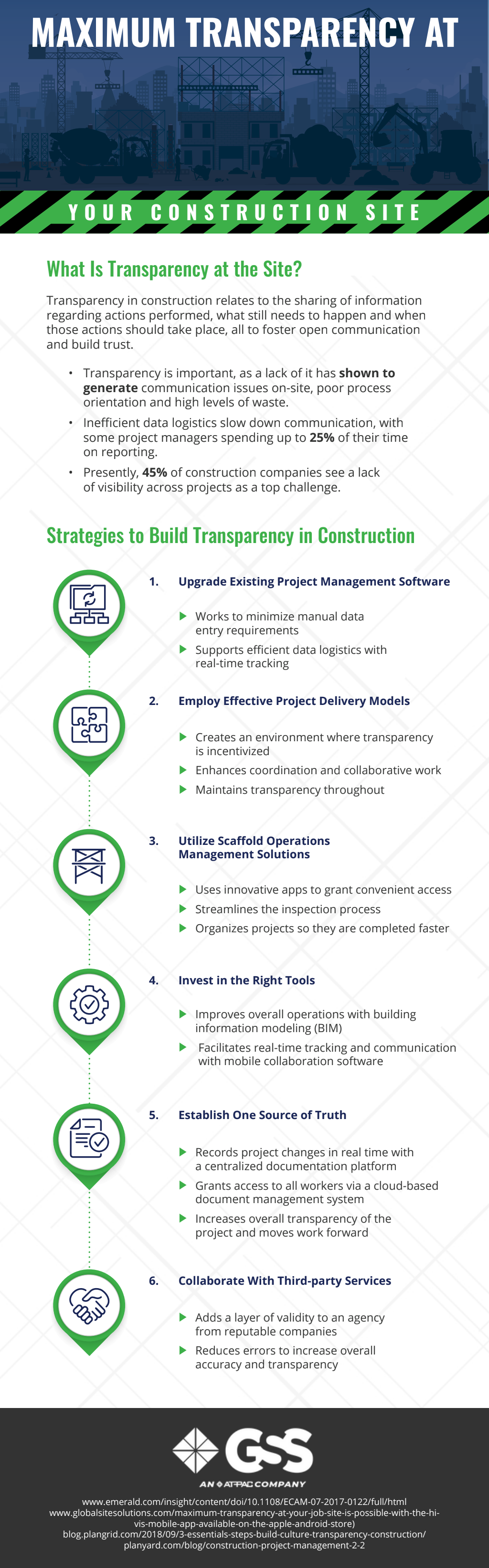
When visibility is lacking, the consequences add up fast. Poor information sharing often leads to duplicated efforts, scheduling conflicts, and misaligned expectations. Many project leaders report spending a significant portion of their time compiling updates and reports instead of focusing on planning and execution. Limited project visibility remains one of the most common obstacles to staying on schedule and within budget.
To address these challenges, construction firms are increasingly adopting digital tools that support transparency from the ground up. Modern project management platforms reduce reliance on manual reporting and allow teams to share updates in real time. Centralized systems create a single, reliable source for documents, schedules, and approvals, helping everyone stay aligned and reducing the risk of errors.
Mobile collaboration tools and scaffold software improve coordination on active job sites by simplifying inspections, tracking progress, and documenting changes as they happen. Technologies like building information modeling and real-time data tracking give teams deeper insight into design intent, sequencing, and performance, allowing for better decisions at every stage of the build.
External partnerships can also strengthen transparency. Third-party inspections, audits, or validation services add another layer of accountability and help reinforce confidence among clients and regulators. These outside perspectives can confirm that work is progressing as planned and that standards are being met.
As construction methods and expectations continue to evolve, so must the way projects are managed. Transparency supports faster problem-solving, stronger collaboration, and more predictable outcomes. Investing in clear communication and visible processes is not just a management improvement. It is a strategic advantage that supports long-term success across every phase of construction.