NEWS | SOFTWARE | SHEET
What’s the Difference Between Interior and Exterior Basement Waterproofing?

Water intrusion in a basement is a common concern for homeowners, especially in areas that experience heavy rain or fluctuating groundwater levels. When researching solutions, two primary methods usually come up: interior and exterior basement waterproofing. While both aim to control moisture and protect your home, they work in very different ways and are suited for different situations.
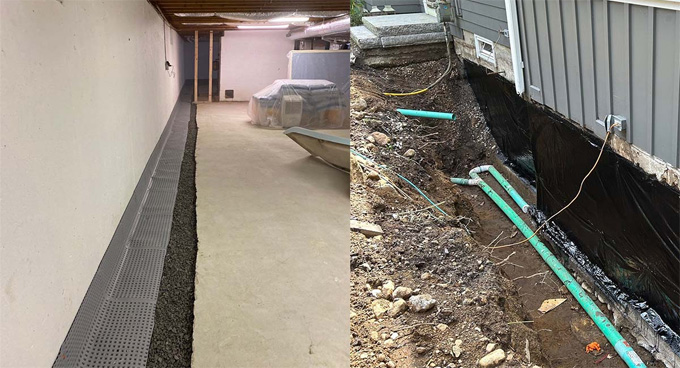
Interior basement waterproofing focuses on managing water after it enters the basement. This approach typically includes systems like interior drainage channels, sump pumps, and vapor barriers. Rather than stopping water at the source, interior solutions redirect it safely away from the foundation. These systems are often less disruptive because they don’t require digging around the outside of the home. For many homeowners, interior waterproofing is a cost-effective option that provides reliable protection against recurring leaks and groundwater seepage.
On the other hand, exterior basement waterproofing addresses the problem before water ever reaches the foundation walls. This method involves excavating the soil around the home to apply waterproof coatings, membranes, or drainage boards directly to the exterior foundation. Exterior systems are designed to block water entirely and reduce hydrostatic pressure against the walls. While this solution can be more comprehensive, it is also more labor-intensive and typically more expensive due to excavation and restoration work.
One of the biggest differences between the two methods is how they handle water pressure. Exterior waterproofing prevents pressure from building up against foundation walls, which can reduce the risk of cracks over time. Interior systems, while effective, allow pressure to exist but manage the water safely once it appears. The right choice often depends on the severity of the water issue, soil conditions, foundation type, and budget.
Another consideration is installation timeline and disruption. Interior systems are usually completed more quickly and with minimal impact to landscaping or driveways. Exterior waterproofing may take longer and require temporary relocation of outdoor features. However, exterior solutions can offer long-term peace of mind when severe water intrusion is present.
Ultimately, both methods can be effective when properly installed. A professional evaluation helps determine which approach best fits your home’s needs. Homeowners researching Indianapolis, IN basement waterproofing often find that a combination of interior and exterior strategies provides the most comprehensive protection.