
NEWS | SOFTWARE | SHEET
How to Choose the Right Mini Skid Steer for Your Business
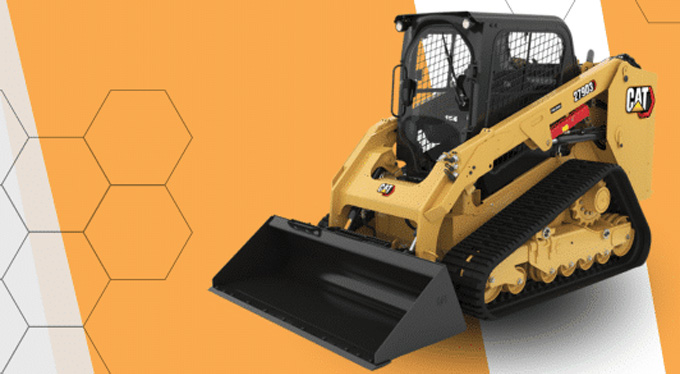
Choosing the right mini skid steer can be a game-changer for your business. Whether you’re in landscaping, hardscaping, construction, fencing, or property maintenance, the right compact machine can increase productivity, reduce labor costs, and allow you to take on more profitable projects. But with multiple sizes, configurations, and features available, it’s important to know what to look for before investing in a skid steer for sale.
Here’s a practical guide to help you select the right mini skid steer for your specific business needs.
1. Identify the Type of Work You Do Most
Before comparing models, start by evaluating your core services. The right machine should align with the work you perform most frequently.
For example:
- Landscapers may prioritize grading, trenching, and material handling.
- Fence contractors often need auger compatibility and narrow access capability.
- Hardscape installers require strong lifting capacity for pavers and materials.
- General contractors may need versatility for demolition, hauling, and prep work.
If most of your projects involve tight backyards or narrow side yards, compact dimensions will matter more than raw horsepower. Matching the machine to your most common tasks ensures consistent use and stronger return on investment.
2. Consider Machine Size and Width
One of the main advantages of a mini skid steer is its ability to access confined areas. Many residential gates measure between 36 and 48 inches wide, so machine width is critical.
When evaluating a skid steer for sale, check:
- Overall machine width
- Length and turning radius
- Weight for trailer transport
- Ground pressure
If your work frequently takes place in residential settings, a narrower machine with excellent maneuverability will help you avoid property damage while improving efficiency.
3. Evaluate Lifting Capacity
Not all mini skid steers offer the same lifting power. Rated operating capacity (ROC) determines how much weight the machine can safely lift and carry.
Ask yourself:
- Will you be moving pallets of pavers or sod?
- Do you regularly handle heavy stone or debris?
- Are you lifting materials onto trucks or into dumpsters?
Choosing a machine with insufficient lifting capacity can limit productivity. On the other hand, buying more machine than you need may increase costs unnecessarily. Balance power with practicality.
4. Choose Between Wheeled or Tracked
Mini skid steers are available in both wheeled and tracked configurations. Each has advantages depending on your jobsite conditions.
Wheeled Models:
- Lower upfront cost
- Faster on hard surfaces
- Easier maintenance
Tracked Models:
- Better traction
- Lower ground pressure
- Ideal for muddy or uneven terrain
If your projects often involve soft soil, slopes, or rough landscaping conditions, tracks may provide better stability and performance.
5. Attachment Compatibility Is Key
One of the biggest advantages of owning a mini skid steer is versatility through attachments. The right attachments can transform your machine into a multi-purpose tool.
Popular attachments include:
- Buckets
- Augers
- Trenchers
- Grapples
- Pallet forks
- Brush cutters
Before purchasing a skid steer for sale, confirm compatibility with the attachments you already own or plan to purchase. A machine with universal mounting systems will provide greater flexibility long term.
6. Engine Power and Hydraulic Flow
Engine horsepower and hydraulic flow determine how well your machine performs under load. If you plan to run high-demand attachments like trenchers or brush cutters, adequate hydraulic power is essential.
Look for:
- Smooth engine operation
- Reliable cold starts
- Strong hydraulic responsiveness
- Efficient fuel consumption
A well-balanced machine provides enough power without excessive fuel costs or strain on components.
7. Operator Comfort and Controls
Operator fatigue directly affects productivity. Even compact equipment should offer comfortable controls and intuitive operation.
Consider:
- Ease of control access
- Visibility
- Vibration levels
- Platform design (stand-on vs. ride-on)
Stand-on models are common for mini skid steers and offer better visibility and easier mounting/dismounting, which is helpful for jobs requiring frequent stops.
8. Maintenance and Serviceability
Downtime can be costly. When choosing the right machine, consider how easy it is to maintain.
Ask about:
- Accessibility of service points
- Frequency of maintenance intervals
- Availability of replacement parts
- Local dealer support
A reputable dealer offering a reliable skid steer for sale should be able to provide service records (for used models), maintenance guidance, and ongoing support.
9. New vs. Used Options
Budget plays a major role in equipment decisions. New machines offer the latest features and warranties, while used models provide cost savings.
When considering used equipment:
- Inspect hours of operation
- Review maintenance history
- Check for wear on pins and bushings
- Evaluate undercarriage or tire condition
A well-maintained used mini skid steer can deliver excellent performance at a lower upfront investment.
10. Think Long-Term Growth
Your purchase should support not only your current workload but also future growth. If you plan to expand services, take on larger jobs, or increase crew size, your equipment should accommodate that growth.
Ask yourself:
- Will this machine allow me to add new services?
- Can it handle increasing workload demands?
- Does it improve efficiency enough to justify the investment?
Choosing the right machine today can position your business for long-term success.
Final Thoughts
Selecting the right mini skid steer is about balancing size, power, versatility, and budget. By evaluating your typical projects, attachment needs, lifting requirements, and jobsite conditions, you can confidently choose equipment that supports your operations.
When reviewing a skid steer for sale, focus on practical performance over flashy features. The best machine for your business is one that works reliably, fits your job environments, and increases efficiency on every project./p>
With the right mini skid steer in your fleet, you’ll be equipped to complete jobs faster, reduce labor strain, and grow your business with confidence.